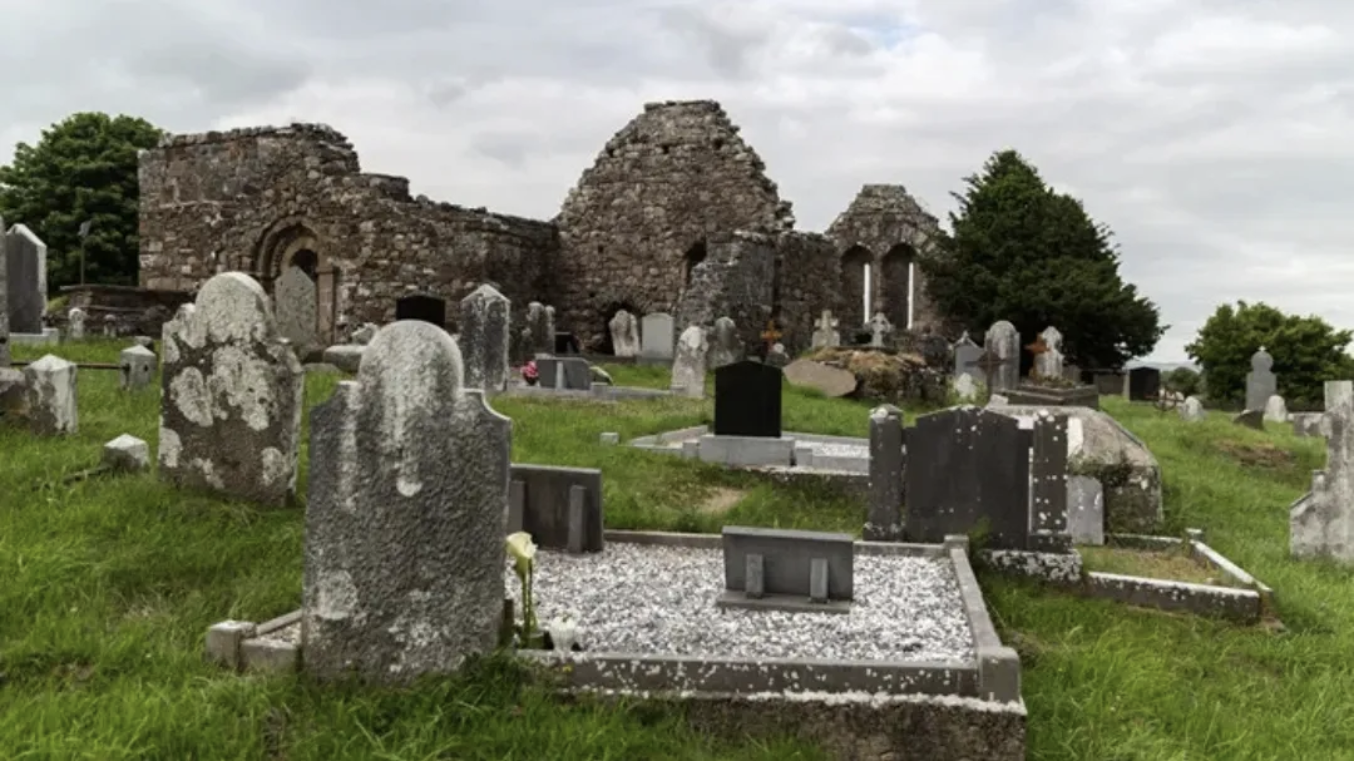
In April, I returned to my hometown to help relocate a grave. Seeing a skull, buried for years in its coffin, brought once more into daylight, I was shaken. Hamlet’s soliloquy came to mind:
To die, to sleep—
No more—and by a sleep to say we end
The heartache and the thousand natural shocks
That flesh is heir to—’tis a consummation
Devoutly to be wished. To die, to sleep—
To sleep, perchance to dream. Ay, there’s the rub,
For in that sleep of death what dreams may come,
When we have shuffled off this mortal coil,
Must give us pause.
Whether there is a ‘dream after death’ determines how we live. If death is the end, all our hopes of happiness must be directed towards this life alone. When fate deals unjustly with us, we must likewise seek a just outcome at any cost. But if death is not the end—if beyond it lies a dream of ‘judgment’—then a just end matters less than the justice of the path that leads to it. Alongside courage, acceptance, forgiveness, and obedience become virtues no less noble. It is this meditation on death, rather than a supposed tragedy of character, that gives rise to Hamlet’s famous question:
To be or not to be—that is the question:
Whether ’tis nobler in the mind to suffer
The slings and arrows of outrageous fortune,
Or to take arms against a sea of troubles
And, by opposing, end them.
In my reading notes on Institutes of the Christian Religion, I once tried to follow Calvin’s line of thought towards an answer to this hesitation:
Human suffering does not always correspond directly to a person’s own wrongdoing. Some suffer for the sins of others; some, through years of silence, become entangled in the consequences of injustice. The twists of worldly affairs often leave us feeling that fate makes sport of us. If we judge good and evil solely by the fortunes before our eyes, the victim must bear a further, groundless condemnation, while the wrongdoer who has not yet been punished seems, by that very fact, to have been proved innocent.
Yet acknowledging the limits of human sight does not release us from our responsibilities in this world. Confronted with oppression and injustice, we must still distinguish right from wrong and resist as best we can. Hope for justice in the life to come must not silence those who suffer in this one. Nor need we call what has harmed us a gift of grace, as though only ‘gratitude for suffering’ could prove the nobility of a soul. Suffering does not become good because it is endured, and forgiveness does not require us to withdraw our judgment of evil. Yet if we stake all our hope of justice on this life, we may turn justice delayed into a warrant for any means whatsoever. It begins to seem that whatever cannot be set right now can never be set right at all. We hurry towards revenge and gradually forget to govern ourselves. To me, judgment after death means that the outcome before our eyes is not yet the final verdict on a person’s fate. Having fulfilled our responsibilities, we may still entrust what lies beyond our power to a care beyond our own, rather than spend the rest of our lives imprisoned in cycles of vengeance.
Forgiveness thus becomes possible, and integrity when no one is watching finds a deeper ground. An evil known to no one does not cease to matter because it remains unknown; a good deed left unacknowledged does not lose its worth because its reward has yet to come. Once we cease to judge everything by immediate success or failure, we can preserve a sense of measure in our conduct even before we have received redress.
Carried into public life, this self-restraint becomes a willingness to limit power and to cherish procedural justice. Such a conviction can also sustain the self-discipline that constitutional government requires. Even when a judgment disappoints us, we must uphold judicial independence; even when a book is full of prejudice, we must not lightly seek peace by suppressing speech. The freedom we cherish often asks us to bear outcomes we dislike. If every grievance licenses power to overstep its established bounds, the force used to correct others today may be turned upon us tomorrow.
Yet procedures have limits of their own: they can fail or be abused. Defending them must not become a reason to demand perpetual silence from those who have been wronged. People must retain room to question, appeal, and resist, and they have a responsibility to work for change in unjust institutions. If the life to come is invoked to persuade people to endure everything, or order is invoked to treat every question as an affront, then forgiveness and obedience become empty words in defence of things as they are.
When I think of that skull brought once more into daylight, Hamlet’s question ceases to be merely a soliloquy on the page. We shall all, in time, lay aside this mortal frame. While we live, however, we must still decide how to meet the wrongs of others and how to live with grievances for which no redress has come. If, in that sleep of death, there remains a judgment over which we do not preside, then courage in this life must be tempered by restraint, and forgiveness need not dwindle into a tacit acceptance of injustice.
The conclusion, then, is this: seek justice in this life, but do not look to this life alone for justice.